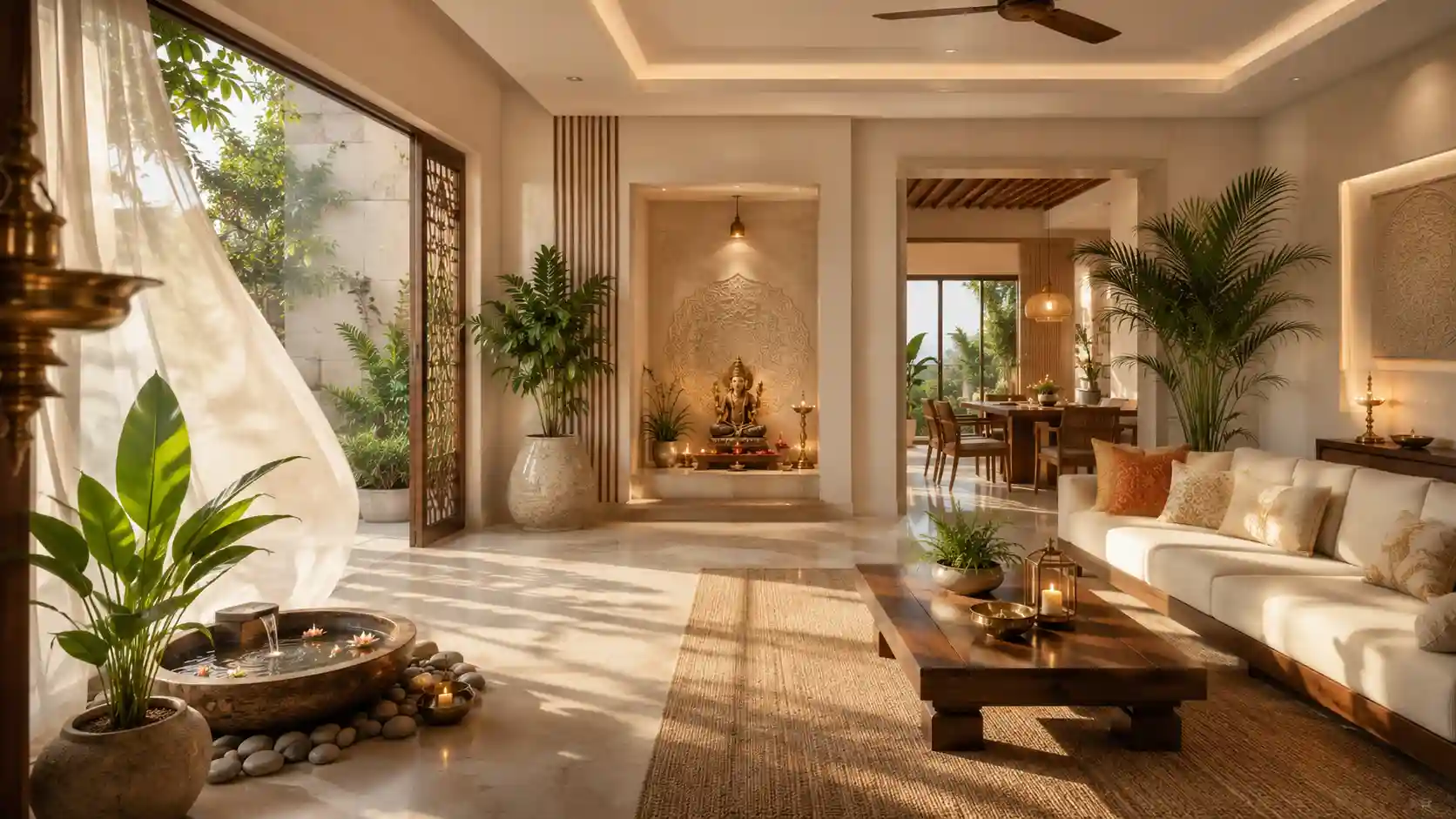
A home is more than a physical structure. It is the place where people rest, work, build relationships, make decisions, and experience important moments of life. The design, arrangement, lighting, ventilation, and overall atmosphere of a home can affect how comfortable, calm, productive, and emotionally balanced its residents feel.
Vastu Shastra is an ancient Indian system of architecture and spatial planning that focuses on creating harmony between people, buildings, natural elements, and directions. It provides guidelines for the placement of rooms, doors, windows, furniture, water sources, kitchens, bedrooms, and other areas of a property.
Many people believe that a Vastu-balanced home can promote peace, health, prosperity, and positive energy. While not every traditional Vastu claim is scientifically proven, several Vastu principles align with practical ideas such as better ventilation, natural sunlight, organised spaces, functional room planning, and reduced clutter.
This article explores how Vastu Shastra can influence your home, habits, emotions, relationships, productivity, and overall lifestyle.
What Is Vastu Shastra?
Vastu Shastra is a traditional Indian system of architectural knowledge. The word “Vastu” refers to a dwelling, structure, or physical space, while “Shastra” means a system of knowledge or principles.
The purpose of Vastu Shastra is to create balanced and functional spaces by considering:
- The direction of the property
- The placement of rooms
- The movement of sunlight
- Air circulation
- Open and closed spaces
- The location of entrances
- The use of natural elements
- The distribution of weight and activity
- The purpose of each part of the home
Vastu does not focus only on the appearance of a property. It also considers how the arrangement of a home may influence the daily activities and emotional experiences of the people living in it.
The Five Elements of Vastu Shastra
Vastu Shastra is based on the concept of five natural elements, known as the Panch Tatva. These elements are believed to exist in both nature and the human body.
1. Earth
Earth represents stability, structure, strength, and support. In Vastu, the shape of the plot, soil condition, slope, and placement of heavy objects are connected with the earth element.
A sense of physical stability in the home may help residents feel more secure and grounded.
2. Water
Water represents flow, emotion, purity, movement, and abundance. Water tanks, bathrooms, wells, fountains, drainage systems, and drinking-water areas are associated with this element.
Proper water management also has practical importance because leakage, dampness, and poor drainage can affect hygiene and the structural condition of a home.
3. Fire
Fire represents energy, heat, motivation, transformation, and activity. Kitchens, electrical appliances, lighting, heating equipment, and fireplaces are connected with the fire element.
A properly planned kitchen can improve convenience, ventilation, and safety.
4. Air
Air represents movement, communication, freshness, and life. Windows, doors, balconies, courtyards, and ventilation systems influence the movement of air through a property.
Fresh air can make a home feel healthier, more comfortable, and less confined.
5. Space
Space represents openness, possibility, awareness, and connection. The central portion of a property is traditionally associated with this element.
An open and uncluttered centre can improve movement and create a greater sense of spaciousness.
According to Vastu philosophy, harmony among these five elements contributes to a balanced living environment.
How Vastu Influences the Atmosphere of a Home
The atmosphere of a home is influenced by several physical and emotional factors. These include light, air, colour, cleanliness, space, sound, temperature, privacy, and organisation.
Vastu encourages people to pay attention to these details.
A bright, clean, ventilated, and organised home often feels more welcoming than a dark, cluttered, and poorly planned one. People may feel calmer, more confident, and more comfortable in a space that supports their daily routines.
Vastu can therefore influence the atmosphere of a home by encouraging thoughtful planning and regular maintenance.
Influence of Vastu on Natural Light
Natural light plays an important role in how a home looks and feels. Rooms with sufficient daylight often appear larger, fresher, and more cheerful.
Vastu gives importance to the east because the sun rises in this direction. Openings in the east may allow morning sunlight to enter the home.
Morning light can:
- Brighten indoor spaces
- Create a positive start to the day
- Reduce dependence on artificial lighting
- Support natural sleep and waking patterns
- Make rooms feel warmer and more welcoming
- Help reduce dampness in certain areas
A home that receives balanced natural light may support a more active and organised lifestyle.
Influence of Vastu on Ventilation
Poor ventilation can make a home feel stuffy, humid, and uncomfortable. It may also allow cooking smells, moisture, and indoor pollutants to remain trapped.
Vastu encourages appropriate placement of windows, balconies, doors, and open spaces so that fresh air can move through the building.
Good ventilation may help:
- Improve indoor comfort
- Reduce humidity
- Remove unpleasant odours
- Support better sleep
- Keep kitchens and bathrooms fresher
- Make rooms feel more open
- Improve overall air circulation
Residents may naturally feel more energetic and comfortable in a well-ventilated home.
Influence of Vastu on Cleanliness and Organisation
One of the most practical aspects of Vastu is its emphasis on cleanliness and decluttering.
Broken, unused, or unnecessary items are often considered sources of blocked energy. From a practical perspective, excessive clutter can make a home difficult to clean, reduce usable space, and create visual stress.
Following Vastu-inspired organisation may encourage residents to:
- Remove unwanted items
- Repair broken objects
- Keep pathways clear
- Organise storage areas
- Clean entrances regularly
- Avoid overcrowding rooms
- Maintain kitchens and bathrooms
- Create designated spaces for important belongings
A cleaner and more organised home can influence lifestyle by making daily routines easier and reducing unnecessary stress.
Influence of Vastu on the Main Entrance
The main entrance is considered one of the most important areas in Vastu Shastra. It is viewed as the primary point through which people, opportunities, and energy enter the home.
A well-maintained entrance can create a strong first impression and make residents feel more welcoming and confident.
Practical Vastu-inspired entrance tips include:
- Keep the entrance clean and well-lit
- Remove damaged or unused items
- Ensure the door opens smoothly
- Avoid blocking the entrance
- Use a clear house name or number
- Repair broken handles, locks, or bells
- Keep footwear organised
- Create an inviting appearance
A pleasant entrance can positively influence how residents and visitors experience the home.
Influence of Vastu on the Living Room
The living room is often the main social area of a home. It is where family members gather and guests are welcomed.
Vastu generally encourages a living room that is open, bright, comfortable, and properly arranged.
A balanced living room may support:
- Better family interaction
- Comfortable social gatherings
- Easier movement
- A more welcoming atmosphere
- Reduced visual clutter
- Improved relaxation
Furniture should be arranged in a way that allows conversation and movement. Doors and windows should not be unnecessarily blocked.
The colours, lighting, and décor of the living room can also influence mood. Soft, balanced colours may create calmness, while suitable lighting can make the room feel warm and inviting.
Influence of Vastu on the Bedroom
The bedroom is connected with rest, privacy, emotional well-being, and personal relationships. Its design can directly affect sleep quality and relaxation.
Vastu recommendations for bedrooms often focus on stability, calmness, and reduced disturbance.
A well-planned bedroom should ideally have:
- Comfortable lighting
- Adequate ventilation
- Minimal clutter
- A stable bed position
- Limited electronic distractions
- Calm colours
- Proper storage
- Privacy from noisy areas
A peaceful bedroom environment may help residents sleep better, manage stress, and maintain healthier daily routines.
The placement of the bed should also allow easy movement and create a sense of security. Mirrors, bright lights, and excessive electronic equipment near the sleeping area may be reduced if they disturb rest.
Influence of Vastu on the Kitchen
The kitchen is associated with nourishment, energy, health, and family activity. In Vastu, it is linked with the fire element.
Traditional Vastu often recommends the south-east direction for the kitchen. However, in modern homes and apartments, the overall functionality of the kitchen is equally important.
A well-designed kitchen should provide:
- Proper ventilation
- Safe placement of cooking equipment
- Adequate lighting
- Clean water access
- Efficient storage
- Space for comfortable movement
- Separation between fire and water areas where practical
- Easy-to-clean surfaces
An organised kitchen can encourage healthier food habits, reduce cooking stress, and make meal preparation more efficient.
Influence of Vastu on the Dining Area
The dining area is where family members come together to share meals. A comfortable dining space may encourage regular family interaction and mindful eating.
Vastu-inspired dining practices include:
- Keeping the dining area clean
- Using appropriate lighting
- Avoiding excessive electronic distraction
- Providing comfortable seating
- Keeping the table free from unnecessary items
- Creating a calm environment
- Maintaining easy access to the kitchen
A pleasant dining environment can support better communication and healthier eating habits.
Influence of Vastu on the Pooja Room
A pooja room or meditation area provides a dedicated space for prayer, reflection, and spiritual practice.
Vastu traditionally considers the north-east suitable for spiritual activities because it is associated with calmness, clarity, and purity.
A peaceful spiritual area may help residents:
- Develop a regular meditation routine
- Begin the day calmly
- Reduce mental stress
- Reflect on personal values
- Strengthen spiritual connection
- Create moments of silence
Even in a small home, a clean and quiet prayer corner can support a more mindful lifestyle.
Influence of Vastu on the Study Room
The design of a study room can affect concentration, discipline, and productivity.
A study space should ideally be:
- Quiet
- Well-lit
- Properly ventilated
- Free from clutter
- Organised
- Comfortable
- Away from unnecessary distractions
Vastu often gives importance to the direction of the study desk. However, the most practical requirement is that the user should feel focused, comfortable, and undisturbed.
An organised desk, proper lighting, and easily accessible study materials can help students develop consistent learning habits.
Influence of Vastu on the Home Office
With more people working remotely, the home office has become an important part of modern living.
A poorly organised workspace can cause distraction, fatigue, and reduced productivity. Vastu principles may help create a more structured work environment.
A supportive home office may include:
- A dedicated working area
- Comfortable seating
- Sufficient natural light
- Good ventilation
- Organised documents
- Minimal distractions
- A clean desk
- A professional background for video calls
- Appropriate storage
When work and rest areas are clearly separated, people may find it easier to maintain a healthy work-life balance.
Influence of Vastu on Bathrooms
Bathrooms are associated with water, drainage, cleanliness, and hygiene. Poorly maintained bathrooms can cause dampness, odours, leakage, and discomfort.
Vastu-inspired bathroom care includes:
- Repairing leaking taps
- Maintaining proper drainage
- Ensuring ventilation
- Keeping the space dry
- Using adequate lighting
- Cleaning regularly
- Keeping doors closed when appropriate
- Avoiding unnecessary clutter
A clean and functional bathroom contributes to a healthier and more comfortable lifestyle.
Influence of Vastu on Colours
Colours can influence the appearance and emotional atmosphere of a room.
Soft shades may make a room feel calm and spacious, while bold colours may create energy and visual interest. Excessively dark colours can make a small room feel confined if not balanced with sufficient light.
Vastu often recommends colours based on directions and room functions. However, colour selection should also consider:
- Room size
- Natural light
- Personal preference
- Purpose of the space
- Existing furniture
- Overall design style
For example, calm colours may work well in bedrooms, while brighter tones may suit active areas.
The most important factor is that the chosen colours make residents feel comfortable and supported.
Influence of Vastu on Indoor Plants
Indoor plants are often used in Vastu to introduce freshness, growth, and natural energy into the home.
From a practical perspective, plants can improve visual appeal and create a stronger connection with nature.
Indoor plants may:
- Soften the appearance of rooms
- Create a calming atmosphere
- Add natural colour
- Encourage regular care routines
- Make work and living areas more pleasant
Plants should be selected according to available light, space, and maintenance needs. Dead or neglected plants should be removed because they may make the home look untidy.
Influence of Vastu on Relationships
The environment in which people live can affect communication and emotional interaction.
A crowded, noisy, dark, or disorganised home may increase frustration. In contrast, a calm and comfortable home may support better conversations and family bonding.
Vastu may influence relationships by encouraging:
- Shared family spaces
- Comfortable bedrooms
- Reduced clutter
- Organised dining areas
- Better privacy
- Calm colours
- Proper lighting
- Dedicated spaces for relaxation
However, Vastu cannot solve serious relationship problems on its own. Healthy relationships also require communication, empathy, trust, and mutual effort.
Influence of Vastu on Mental Well-Being
The physical environment can influence mood and mental comfort.
A chaotic room may make a person feel overwhelmed, while an organised environment can create a sense of control. Natural light, fresh air, suitable colours, and quiet spaces may also help reduce everyday stress.
Vastu-inspired changes that may support mental well-being include:
- Decluttering frequently
- Allowing natural light inside
- Creating quiet areas
- Reducing visual distractions
- Maintaining cleanliness
- Keeping broken items repaired
- Using comfortable furniture
- Creating a peaceful sleeping area
These changes do not replace professional mental health care, but they may help create a more supportive living environment.
Influence of Vastu on Physical Health
Vastu is sometimes associated with health and vitality. While Vastu cannot treat medical conditions, a well-designed home can support healthier habits.
Practical features that may influence health include:
- Good ventilation
- Natural light
- Clean water systems
- Dry bathrooms
- Safe kitchen design
- Comfortable sleeping areas
- Reduced indoor clutter
- Proper temperature control
- Safe movement paths
For example, a ventilated kitchen can reduce smoke and heat, while a clean bedroom may support more restful sleep.
Medical problems should always be addressed by qualified healthcare professionals rather than relying only on Vastu remedies.
Influence of Vastu on Productivity
A person’s surroundings can affect focus and motivation.
An untidy workspace with poor lighting may make tasks feel more difficult. A structured environment can support better concentration and time management.
Vastu-inspired productivity improvements include:
- Keeping the work desk clean
- Organising paperwork
- Using sufficient lighting
- Sitting in a comfortable position
- Reducing noise
- Keeping necessary tools nearby
- Separating work and relaxation areas
- Using natural elements where suitable
These improvements can support students, professionals, business owners, and people working from home.
Influence of Vastu on Financial Habits
Vastu is often associated with wealth and prosperity. However, it is important to approach such claims realistically.
A clean and organised home may help residents manage documents, bills, valuables, and financial records more effectively. A structured home office may also support productivity and business discipline.
Vastu may indirectly influence financial habits by encouraging:
- Better organisation
- Reduced waste
- Careful maintenance
- Productive workspaces
- Proper storage
- Clear decision-making
- A more disciplined lifestyle
However, Vastu cannot replace budgeting, saving, investing, planning, and consistent work.
Influence of Vastu on Daily Routines
A well-planned home can make everyday tasks easier.
For example:
- A functional kitchen simplifies cooking.
- An organised entrance reduces morning confusion.
- A dedicated study area supports regular learning.
- A peaceful bedroom encourages better sleep.
- Proper storage saves time.
- A comfortable dining area supports family meals.
- A defined work area improves professional discipline.
Vastu can therefore influence lifestyle by helping people create more organised and intentional routines.
Influence of Vastu on Sleep
Sleep quality is affected by noise, light, temperature, comfort, and mental relaxation.
Vastu-inspired bedroom planning often recommends a stable bed position, calm colours, minimal clutter, and reduced electronic disturbance.
To create a sleep-friendly environment:
- Use comfortable bedding
- Reduce bright light at night
- Keep the bedroom ventilated
- Limit screen use before sleeping
- Remove unnecessary work materials
- Keep the area clean
- Reduce noise wherever possible
- Maintain a comfortable temperature
Such practices may support better rest and healthier waking routines.
Influence of Vastu on Children
Children need spaces that support sleep, play, learning, and creativity.
A child’s room should be safe, comfortable, and organised. Vastu-inspired planning may help parents create separate zones for different activities.
Helpful features may include:
- Adequate daylight
- Safe furniture
- Organised storage
- A clean study desk
- Enough open space
- Calm sleeping arrangements
- Reduced electronic distractions
- Suitable colours
A structured environment can encourage children to maintain better habits and take responsibility for their belongings.
Vastu in Modern Apartments
Modern apartments often have fixed layouts, and residents may not be able to change the direction of entrances, kitchens, bathrooms, or windows.
In such situations, it is not necessary to become anxious about perfect Vastu compliance.
Apartment residents can focus on practical improvements such as:
- Keeping the entrance clean
- Improving lighting
- Using mirrors carefully
- Rearranging movable furniture
- Maintaining ventilation
- Creating better storage
- Removing clutter
- Adding suitable plants
- Repairing leaks
- Creating a peaceful prayer or meditation corner
The goal should be to improve comfort and functionality rather than follow every traditional rule rigidly.
Vastu for Rented Homes
Tenants often have limited control over structural features. However, they can still make small changes that improve the atmosphere of the property.
Useful changes include:
- Rearranging beds and desks
- Using portable lights
- Adding curtains
- Organising storage
- Keeping rooms clean
- Removing broken items
- Adding indoor plants
- Creating a work corner
- Using calming colours through furnishings
- Improving airflow where possible
These adjustments can make a rented home feel more personal and comfortable without major renovation.
Can Vastu Change Your Life?
Vastu alone cannot guarantee success, health, wealth, or happiness. A person’s life is influenced by many factors, including habits, decisions, relationships, education, health, financial planning, and circumstances.
However, Vastu may influence lifestyle by encouraging people to create environments that support positive habits.
For example:
- A clean home may encourage discipline.
- A quiet study space may improve concentration.
- A peaceful bedroom may support better sleep.
- A functional kitchen may encourage regular home-cooked meals.
- An organised office may improve productivity.
- A welcoming living room may support family interaction.
In this way, Vastu may not directly change life circumstances, but it can help create a physical setting that supports healthier routines and better decisions.
Common Vastu Mistakes to Avoid
When following Vastu, people should avoid becoming fearful or making extreme changes.
Common mistakes include:
- Treating every problem as a Vastu defect
- Spending large amounts on unnecessary remedies
- Ignoring structural safety
- Demolishing parts of the house without expert advice
- Choosing direction over functionality
- Following advice without understanding it
- Allowing Vastu concerns to create family conflict
- Expecting instant results
- Ignoring medical, financial, or professional help
- Believing that a perfect house guarantees a perfect life
Vastu should be used as supportive guidance, not as a source of fear.
A Balanced Way to Follow Vastu
The most practical way to follow Vastu is to combine traditional principles with modern architecture and common sense.
Consider the following approach:
- Prioritise safety and structural strength.
- Make maximum use of natural light.
- Improve ventilation.
- Keep the home clean and uncluttered.
- Arrange furniture for comfort and easy movement.
- Create dedicated areas for sleep, work, prayer, and family time.
- Repair leaks and damaged objects.
- Choose colours that support the function of each room.
- Respect personal beliefs without becoming fearful.
- Avoid expensive or destructive remedies unless genuinely necessary.
This approach allows homeowners to appreciate Vastu while maintaining practical and realistic expectations.
Frequently Asked Questions
How does Vastu affect a home?
Vastu may influence a home by guiding the placement of rooms, furniture, doors, windows, and functional areas. Its practical benefits may include better light, ventilation, organisation, and movement.
Can Vastu improve lifestyle?
Vastu can encourage healthier and more organised routines by creating suitable spaces for sleep, work, study, cooking, prayer, and family activities.
Does Vastu bring positive energy?
Positive energy is a traditional Vastu concept. In practical terms, a clean, bright, ventilated, and well-organised home can create a more positive emotional atmosphere.
Is Vastu necessary for every home?
No. A home can be comfortable and successful even if it does not follow every Vastu principle. Safety, functionality, budget, and personal comfort are equally important.
Can Vastu improve relationships?
A calm and well-planned home may support communication and family interaction. However, relationships also depend on trust, understanding, and mutual effort.
Can tenants follow Vastu?
Yes. Tenants can make non-structural changes such as rearranging furniture, improving lighting, decluttering, maintaining cleanliness, and creating dedicated spaces.
Does Vastu guarantee wealth and success?
No. Vastu cannot guarantee financial success. It may help create a productive and organised environment, but success depends on planning, work, skills, and decision-making.
Is it necessary to demolish a house for Vastu?
In most cases, practical improvements can be made without demolition. Lighting, ventilation, organisation, room usage, and furniture placement should be considered first.
Conclusion
Vastu Shastra can influence your home and lifestyle by encouraging balance, order, natural light, ventilation, cleanliness, and thoughtful use of space.
A Vastu-inspired home may feel calmer, more organised, welcoming, and functional. It can support better sleep, improved productivity, healthier routines, family interaction, and emotional comfort.
However, Vastu should not be treated as a magical formula or a guaranteed solution to every problem. Its most valuable principles are those that help create a safe, practical, comfortable, and peaceful living environment.
The best home is not simply one that follows every directional rule. It is one that supports the real needs, habits, relationships, and well-being of the people living in it.
By combining traditional Vastu wisdom with modern design, practical planning, and personal comfort, you can create a home that positively influences both your surroundings and your everyday life.